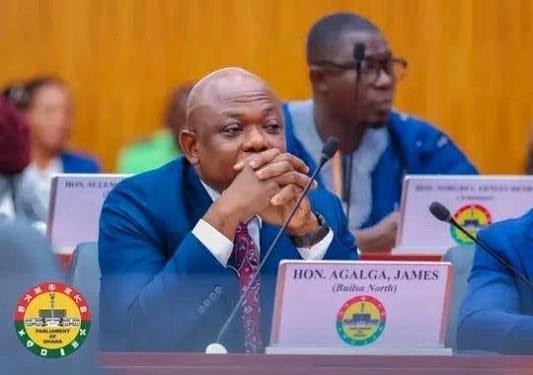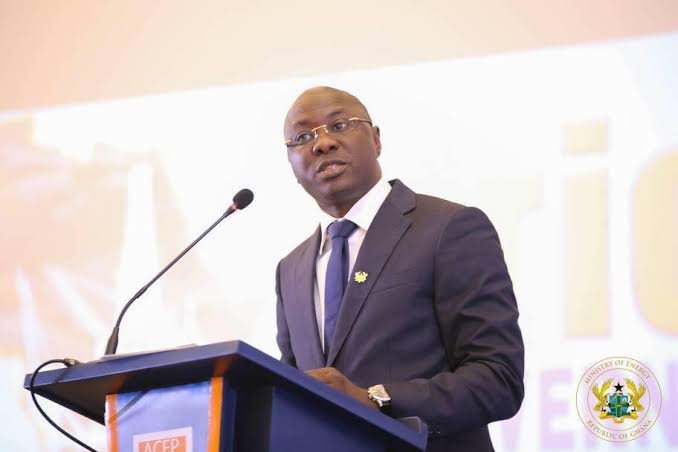
The Minority in Parliament has criticised the government’s New Economy programme, arguing that its flagship projects will not deliver the immediate employment opportunities needed to tackle Ghana’s youth unemployment crisis.
Dr Mohammed Amin Adam, Ranking Member of Parliament’s Finance Committee and a former Finance Minister, said several major projects outlined in the 2027 Budget had timelines stretching to 2028 and beyond, leaving young people without immediate relief.
Speaking to journalists in Parliament on Friday, November 13, following the presentation of the 2027 Budget by Finance Minister Dr Cassiel Ato Forson, he questioned the government’s ability to address the urgent demand for jobs.
Dr Amin Adam cited the proposed 1,450-megawatt thermal power plant, explaining that the first 600 megawatts were expected by December 2028, while the remaining capacity would only be completed by December 2030.
He also pointed to the Pwalugu Multipurpose Dam, whose first phase is expected to begin in early 2029, with completion targeted for December 2030.
On agriculture, he said the oil palm programme, which is projected to create 250,000 jobs, is tied to a 2032 self-sufficiency target, despite land acquisition still being underway.
The Minority Ranking Member further noted that garment factories expected to employ 27,000 people remained at the feasibility stage, while the government’s plan to end commercial rice imports was targeted for 2030.
According to him, the timelines attached to these initiatives raise questions about how the New Economy programme will respond to the immediate employment needs of young Ghanaians.
“The Budget therefore does not address the immediate demand for jobs,” he said.
Dr Amin Adam acknowledged that the Youth Employment Agency had engaged 73,537 young people and was targeting 100,000 engagements in 2027. However, he argued that the figures were insufficient given the scale of unemployment.
He also questioned the GH¢156 million allocation to the Ministry of Labour, Jobs and Employment, suggesting that it did not reflect the urgency of the country’s employment challenges.
“Two years on, it is offering the same young people a new slogan and a 2030 date,” he said.