The Presidential Advisor on National Resilience and Emergency Preparedness, Hon. Ernest Brogya Genfi, has begun strategic engagements with key government institutions as part of a nationwide assessment aimed at strengthening Ghana’s capacity to anticipate, prepare for and respond to emergencies and disasters.
The engagements follow a directive from President John Dramani Mahama for a comprehensive assessment of the country’s national resilience and emergency preparedness architecture.
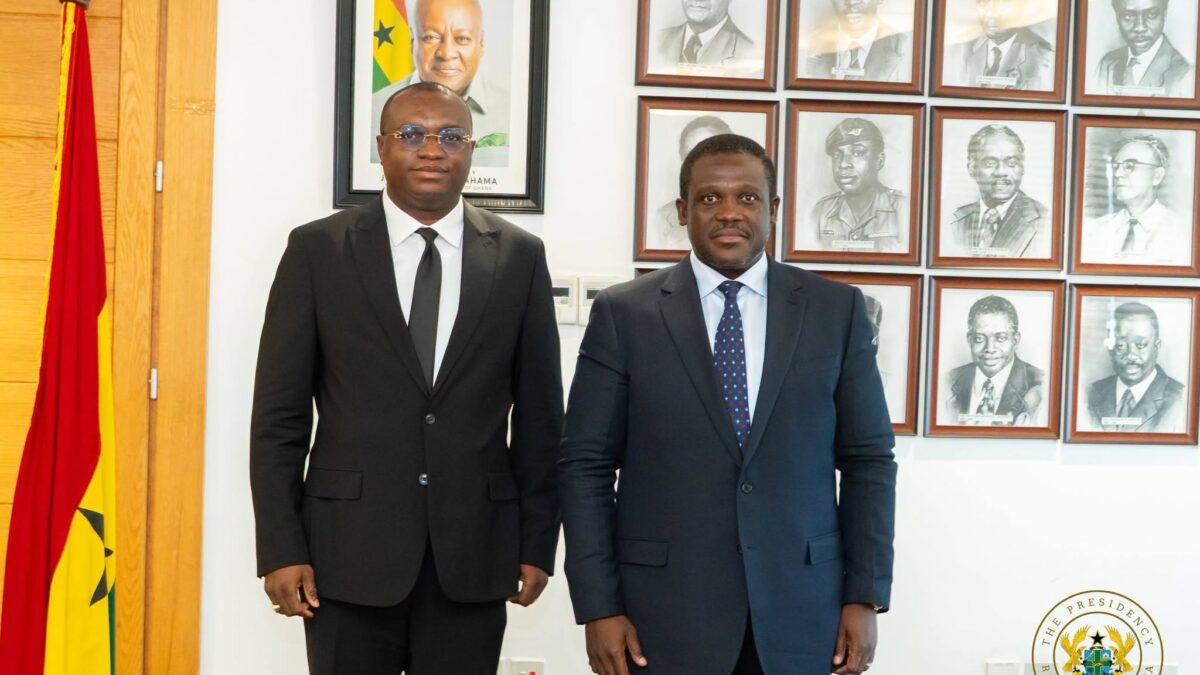
As part of the exercise, Hon. Brogya Genfi has engaged the Ministry of Communication, Digital Technology and Innovations, together with its agencies and affiliated institutions, to assess the systems, institutional capacities, coordination mechanisms and technological infrastructure that support national preparedness and resilience.
The consultations are intended to examine how effectively existing systems support emergency planning, information management, inter-agency coordination and timely responses to potential threats.
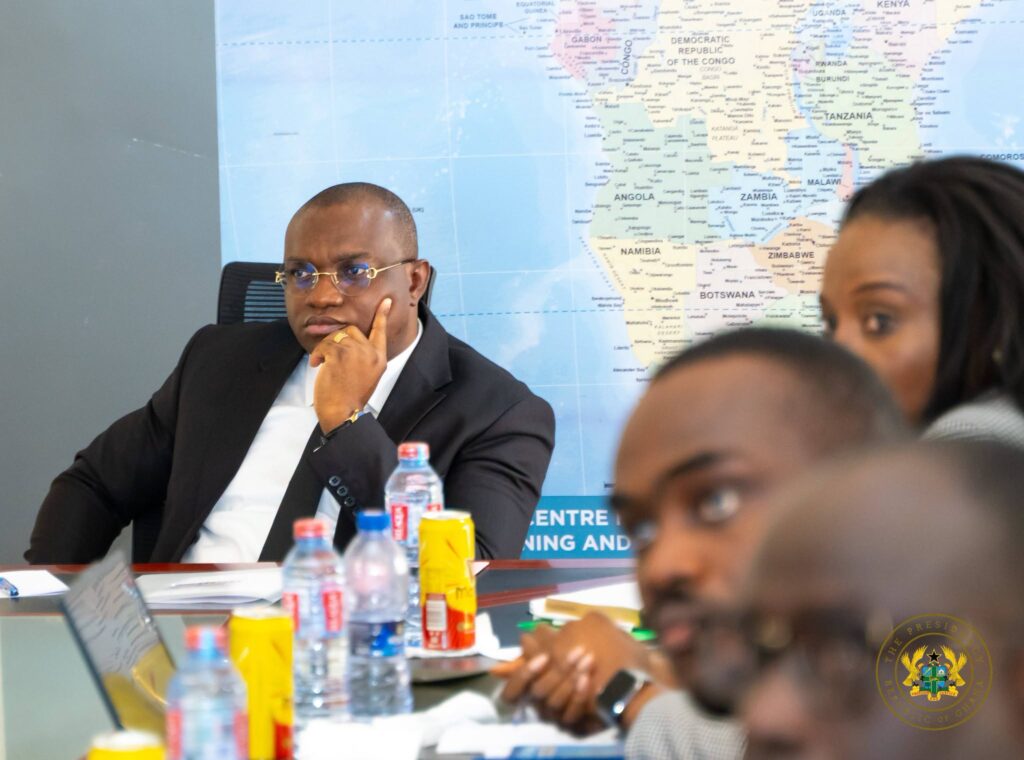
Hon. Brogya Genfi has also held strategic consultations with the National Signals Bureau (NSB) and the National Centre for the Coordination of Early Warning and Response Mechanism (NCCRM) to evaluate existing intelligence, surveillance, risk-monitoring and early-warning capabilities.
The discussions focused on opportunities to improve national situational awareness, strengthen information sharing among relevant institutions and enhance the country’s ability to anticipate emerging threats and coordinate timely responses.
The engagements also explored how emerging technologies could be leveraged to improve risk detection, information flow and decision-making, particularly in situations requiring coordinated action across multiple institutions.
Speaking on the importance of the assessment, Hon. Brogya Genfi said Ghana’s resilience must be built on a clear understanding of existing institutional capacities, potential vulnerabilities and opportunities to improve coordination.
“Strengthening national resilience requires us to move beyond responding to emergencies after they occur. We must systematically assess our preparedness systems, identify gaps, improve coordination and harness intelligence, early-warning capabilities and technology to anticipate risks and act in a timely manner,” he said.
He added that the assessment would provide an important basis for identifying practical reforms to strengthen the country’s ability to prevent and mitigate risks, withstand disruptions, respond effectively to emergencies and recover from disasters.
The engagements form part of a broader nationwide exercise involving Ministries, Departments and Agencies (MDAs), as well as Metropolitan, Municipal and District Chief Executives (MMDCEs).
Through the consultations, Hon. Brogya Genfi is seeking to establish a comprehensive picture of Ghana’s national resilience and emergency preparedness ecosystem, identifying existing strengths, institutional gaps, vulnerabilities and opportunities for improvement.
The findings are expected to inform recommendations for strengthening the country’s resilience architecture, improving institutional collaboration and enhancing preparedness at both national and local levels.
The overall objective is to support a more coordinated, forward-looking and responsive national framework capable of addressing a range of emergencies and disasters while safeguarding lives, livelihoods, critical infrastructure and national development.
Source: Theannouncergh